Learn what really happened behind the suspended 182-metre glass elevator project at Kelingking Beach — why it sparked massive backlash, what rules and risks were overlooked, and what this means for the future of Bali’s natural attractions.
In this breakdown, you’ll see the full timeline of events, the key concerns raised by locals and environmental experts, and how the government responded as the controversy escalated.
If you want to understand how Bali is redefining tourism development and protecting its most iconic sights, this quick summary gives you the full picture.
What The Project Was
According to reports, the scheme would be financed and developed by a China-affiliated company. It proposed building a 182-meter (≈597-foot) glass elevator down the cliff, linked to a pedestrian bridge and additional amenities such as a sky café and multiple viewing platforms, offering visitors direct access and new photo opportunities at the famous Kelingking “T-Rex” viewpoint. Project costs reported in the press ranged into the hundreds of billions of rupiah (tens of millions USD). Proponents argued the elevator would make the beach safer and more accessible than the existing steep, eroding trail.
Why People Reacted Strongly
Local residents, environmentalists, cultural leaders and many tourists raised immediate objections after images of the partly built structure circulated online. Critics said a towering man-made structure would permanently alter the iconic natural silhouette of the cliff, accelerate erosion and habitat loss, damage the very scenery that draws visitors, and commercialize a landscape that many prefer to experience with minimal built intervention. Prominent public figures and politicians also voiced opposition, framing the project as an example of excessive development that ignores local sentiment and environmental limits.
Permit, Process, and Legal Concerns
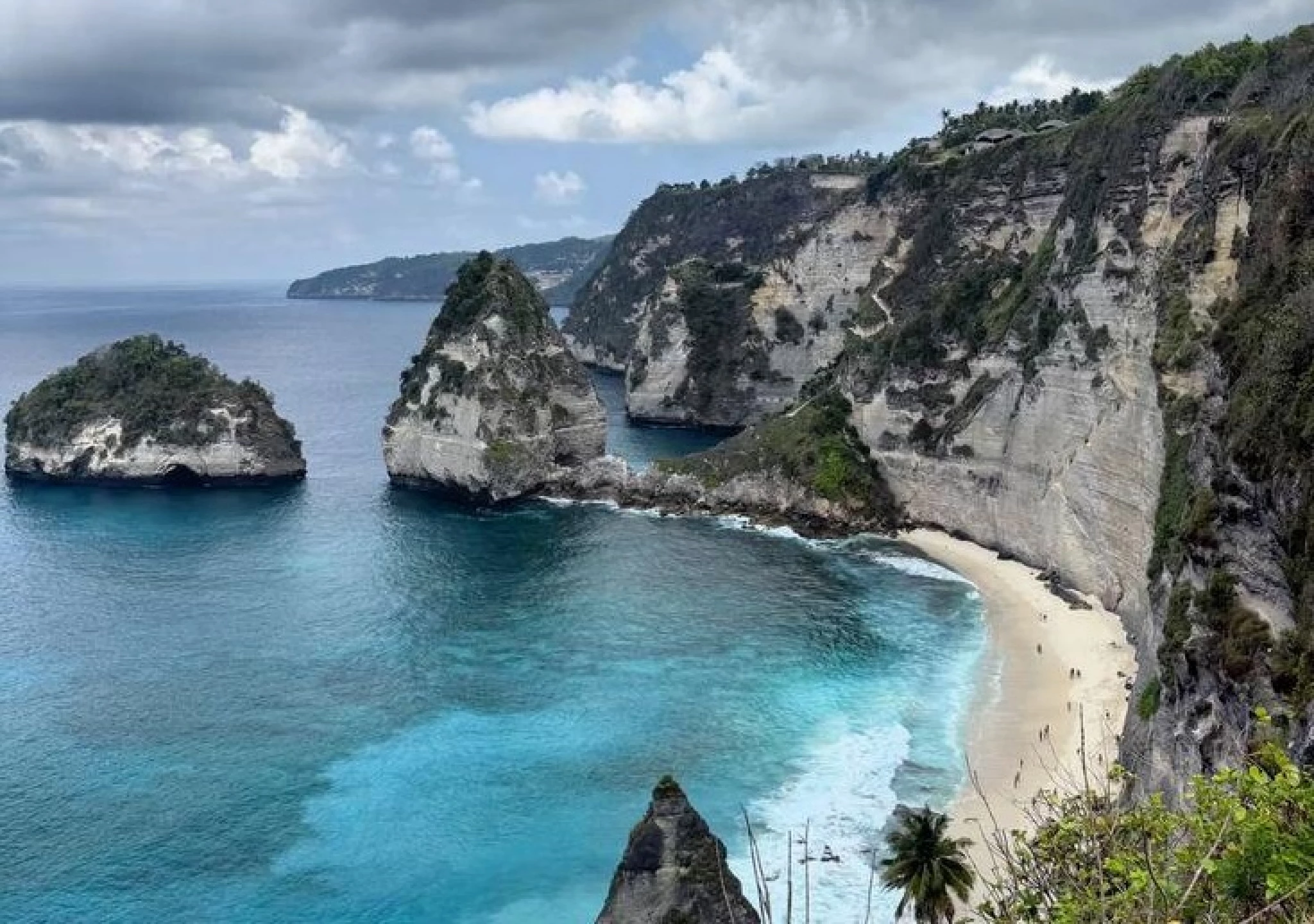
Authorities and investigative reporting highlighted irregularities in the permitting process. Local legislative and spatial-planning committees said the developer had sought approval from a lower jurisdiction (Klungkung Regency) rather than the appropriate provincial permitting bodies, and that a series of major violations were detected during inspections. Those findings became central to the government’s decision to suspend construction while a formal review was completed. Observers asked how such a large project passed early checks, prompting questions about oversight and inter-agency coordination.
Government Action: halt and Dismantling Orders
Following the public backlash and committee recommendations, Bali’s governor ordered work to stop. Officials announced suspension of construction, and in some reports, an instruction that the structures be dismantled and the site restored if violations could not be remedied. The move reflected both political pressure and official concern about environmental and cultural impacts; authorities have indicated they will enforce permit rules and seek remediation where laws were breached.
Safety and Access Arguments
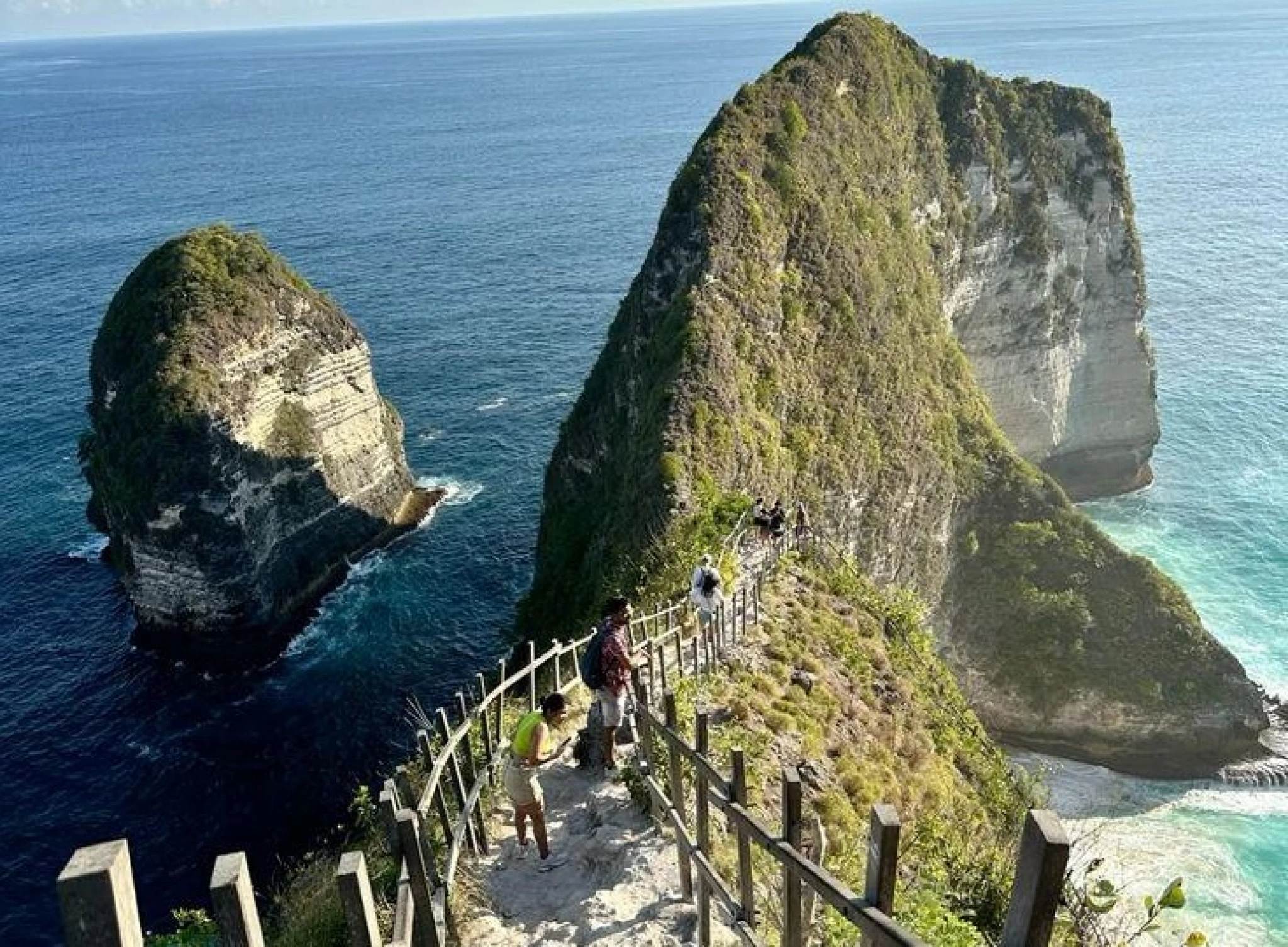
Supporters of the lift argued it would reduce the dangerous descent that currently deters or injures some visitors, and could even be useful for emergency evacuations or rescue operations. Opponents countered that easier access would invite far more visitors onto an ecologically fragile beach, increasing risk to both people and nature, and that improving existing trails and management would be a less invasive solution. The debate highlights the tension between visitor safety/access and conservation/visual integrity.
Wider Implications for Bali’s Tourism Model
This controversy has become a test case for how Bali balances tourism development with environmental stewardship and cultural preservation. It has shone a spotlight on questions that recur across the island: who decides what is built, how permits are granted and monitored, who benefits economically, and how to protect landscapes that are central to Bali’s brand as a “natural” destination. The public response shows growing local insistence that development be sustainable, culturally appropriate and transparently approved.
What Happens Next
Official statements indicate regulators will complete permit reviews, and the developer may be required to dismantle unauthorized works and restore the cliff if violations are confirmed. There will likely be formal investigations into the approval chain that allowed construction to start, plus increased scrutiny on large tourism infrastructure proposals going forward. For visitors, the immediate outcome is that Kelingking’s landscape will remain largely unchanged for now — but the episode will likely influence future projects across Bali.
Bottom Line
The halt to the Kelingking glass-lift project is more than a local controversy: it’s a symbol of growing public demand that Bali’s tourism growth proceed with stronger environmental oversight, clearer permitting, and deeper engagement with local communities. The incident suggests officials are responsive to sustained public pressure and signals that developers may face higher scrutiny for visible interventions on iconic natural sites.