Bali has over 200 waterfalls scattered across its volcanic highlands, but most are either dry half the year or overrun with selfie crowds. Finding the best waterfalls in Bali means knowing which ones are genuinely worth the drive, the stairs, and the mud on your shoes. This bali waterfall guide narrows it down to 10 that earned their place through scenery, access, and the kind of quiet that makes you forget where you parked.
What Makes Bali's Waterfalls Different from Anywhere Else
Bali's falls are volcanic in origin, fed by highland rain that filters through layers of ancient rock before dropping off jungle cliffs. That means the water is unusually clean, the pools often shallow enough to stand in, and the surrounding landscape feels raw in a way that manicured nature parks never do. Most sit inside river gorges or behind walls of tropical canopy, so even the well known ones feel enclosed and private once you arrive.
Which Waterfalls in Bali Are Actually Worth Visiting in 2026
These 10 are grouped roughly by region, starting near Ubud and moving north, so you can plan waterfall days without backtracking through mountain roads.
Tegenungan Waterfall
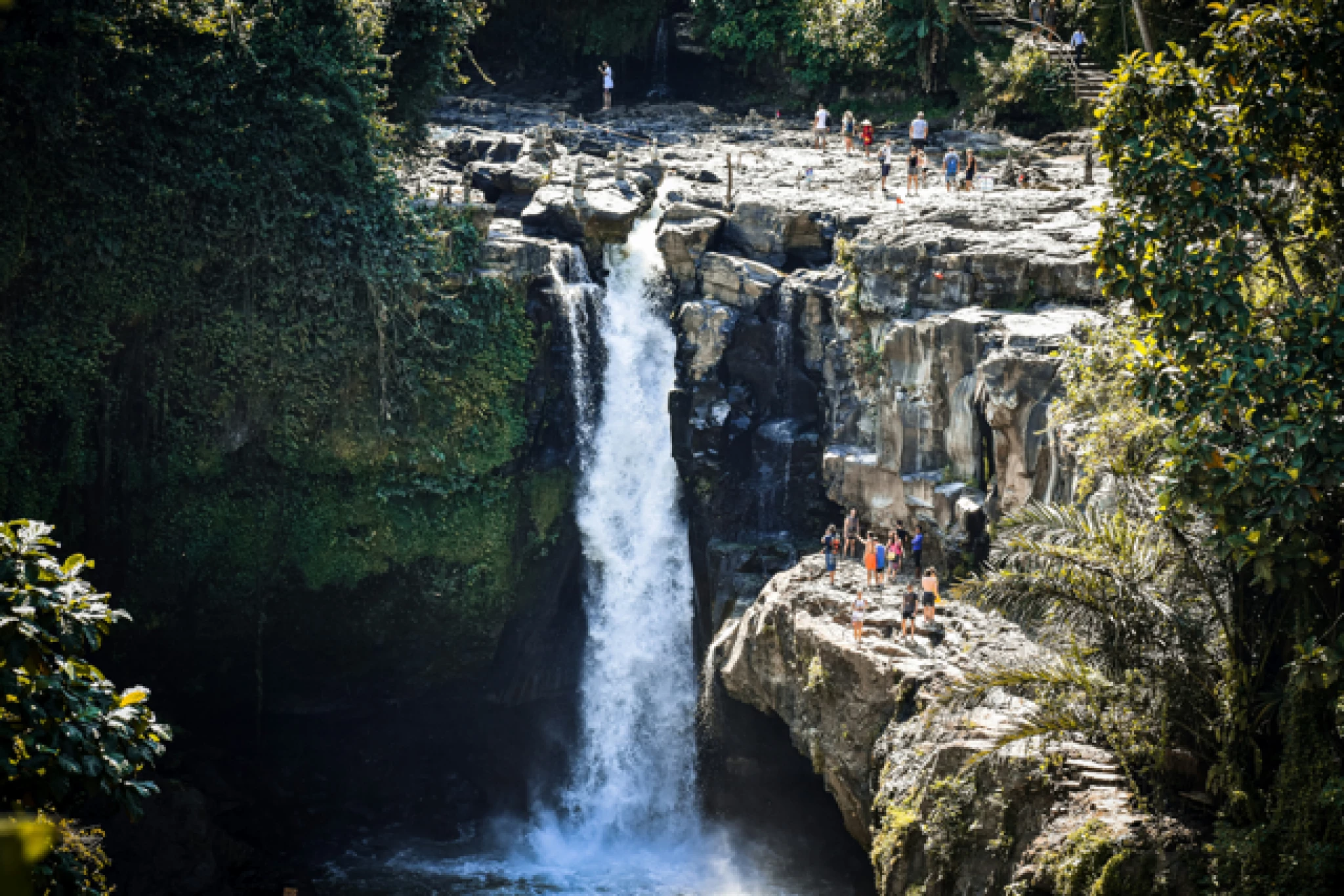
Tegenungan is the most accessible of the waterfalls near Ubud, about 20 minutes from the town center. The 50 meter drop is powerful, the pool is wide enough for swimming, and the surrounding area has viewing platforms and cafes. Arrive before 9 am to avoid the tour groups. It is the most visited fall on the island, but early morning light and water volume make it worth the stop.
Tibumana Waterfall
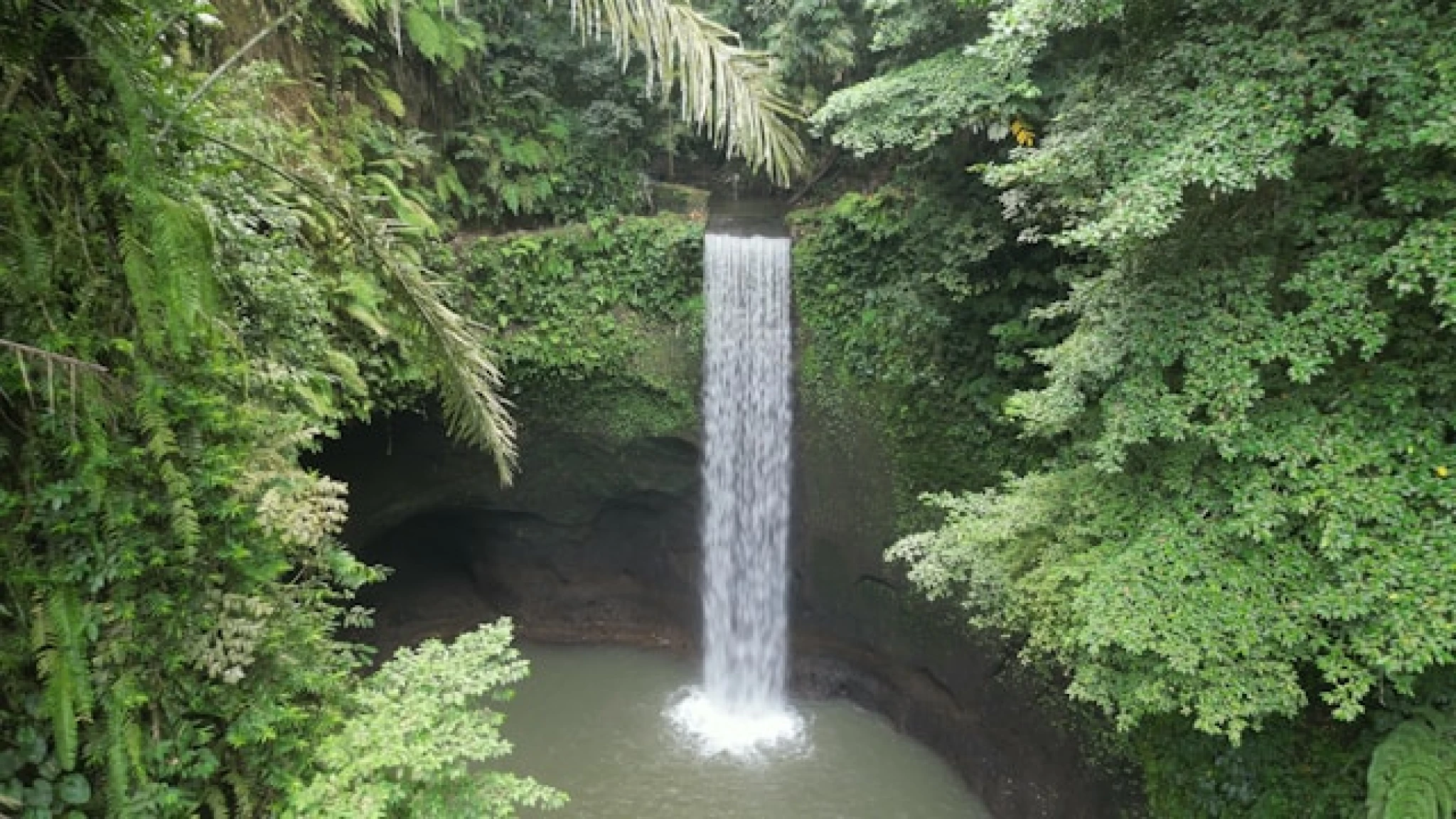
About 30 minutes east of Ubud, Tibumana stays quieter than Tegenungan despite being almost as beautiful. A short walk through jungle leads to a single elegant cascade falling into a calm green pool. Swimming is easy and the water is shallow enough to stand. This is one of the hidden waterfalls in Bali that still flies under the radar, and the surrounding villa market near Ubud reflects the growing interest in this part of the island.
Kanto Lampo Waterfall
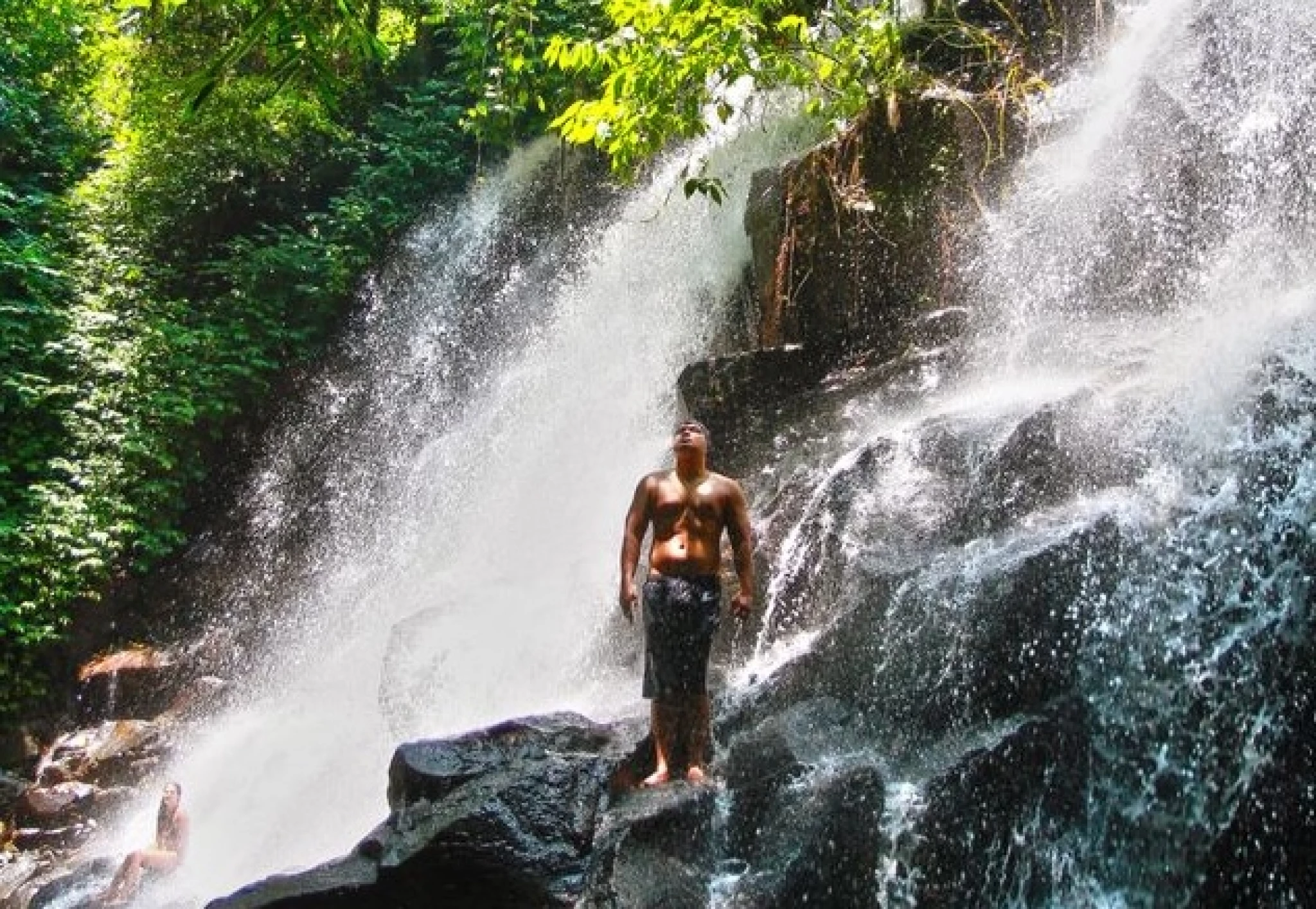
Kanto Lampo is different from every other waterfall on this list. Instead of a single drop, the water fans out across a wide, tiered rock face, creating a cascading curtain effect that photographs unlike anything else in Bali. It is shallow and safe to sit in. Located about 30 minutes from Ubud, it pairs well with a Tibumana visit in the same morning.
Tukad Cepung Waterfall
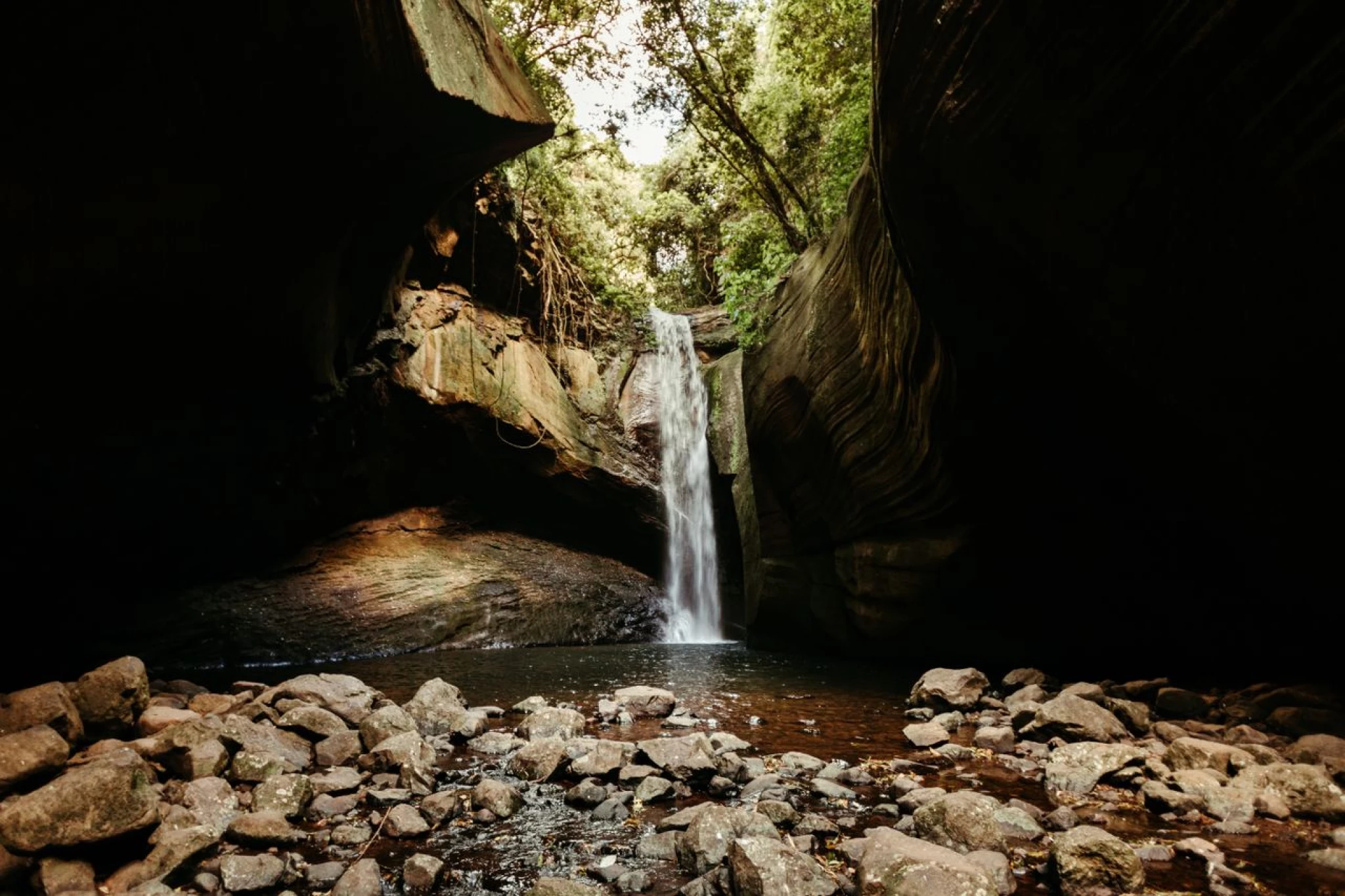
Tukad Cepung sits inside a circular canyon about 45 minutes east of Ubud. Sunlight enters through the open top and hits the falling water, creating beams that feel almost staged. The water is ankle deep, so this is a viewing and photography spot rather than a swim. The short walk through the canyon adds to the atmosphere.
Is Tukad Cepung worth visiting on a cloudy day? The light beams are best on sunny mornings between 9 and 11 am. On overcast days the canyon still looks dramatic, but the signature glow is less visible. If the beams matter to you, check the weather and aim for a clear morning.
Sekumpul Waterfall
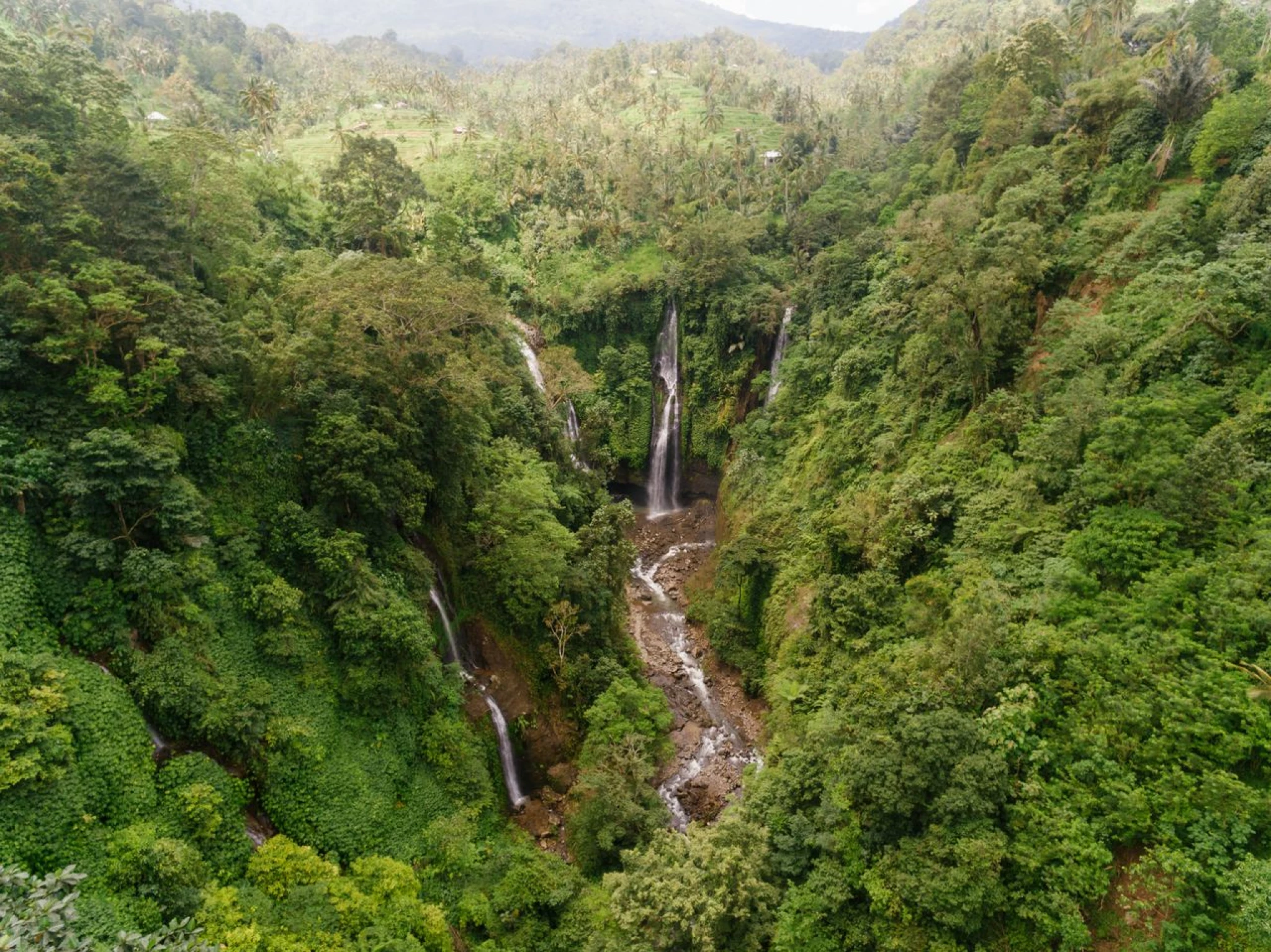
Often called the most impressive waterfall in Bali, Sekumpul is a cluster of falls cascading from about 80 meters in the northern highlands near Singaraja. The hike down takes roughly 30 minutes through rice paddies and jungle trail. The scale is genuinely stunning, with spray creating rainbows on sunny mornings.
Do you need a guide for Sekumpul Waterfall? Local village guidelines require a guided trek for safety, costing around 125,000 to 150,000 IDR. The trail is steep and poorly marked, so the guide is genuinely useful rather than just a formality.
Banyumala Twin Waterfall
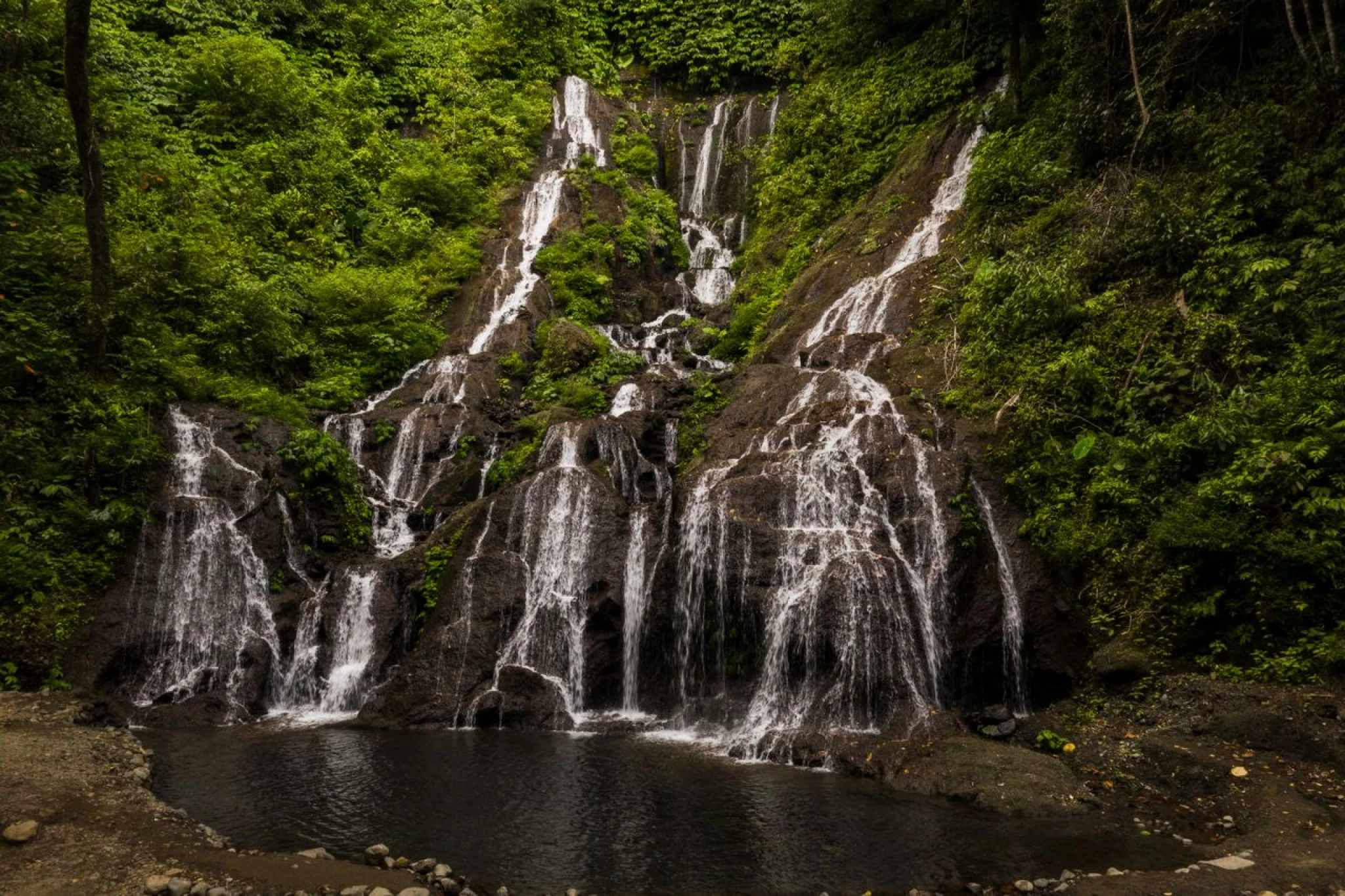
Banyumala is arguably the top pick if bali waterfalls swimming is what you came for. Two streams fall side by side into a wide, shallow pool surrounded by thick jungle. The water is waist deep in most spots, cold but refreshing, and the pool is large enough that it never feels crowded. The 8 minute walk from the ticket booth is easy, making this one of the most accessible falls in the north.
Aling Aling Waterfall
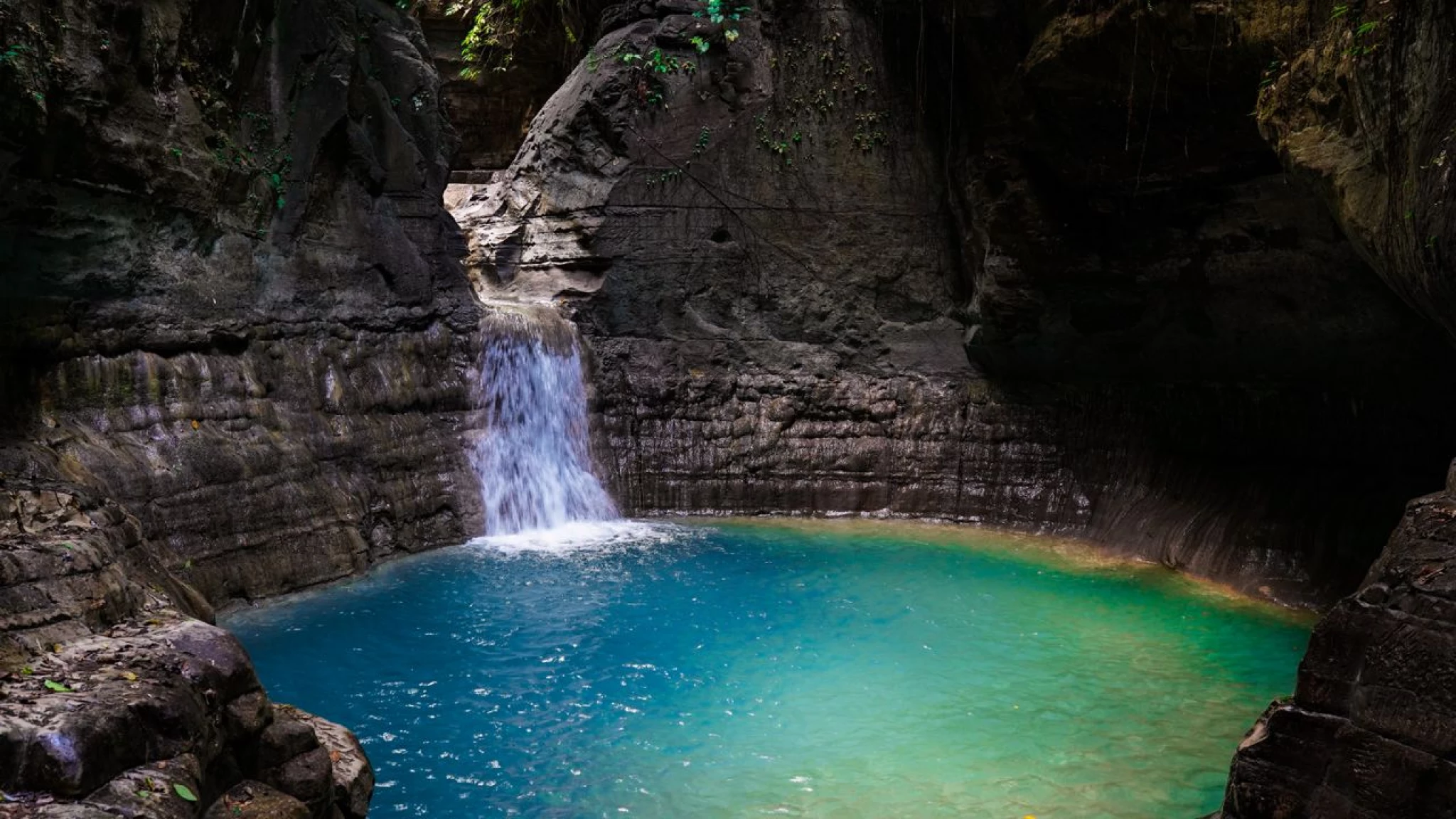
Aling Aling is for anyone who wants more than just a view. The main waterfall stands at about 35 meters and is sacred, so swimming is not allowed there. But the series of smaller cascades below offer natural rock slides and cliff jumps ranging from 5 to 15 meters. A local guide is included with your ticket and shows you the safe spots. It is one of the most fun waterfall experiences in Bali.
Nungnung Waterfall
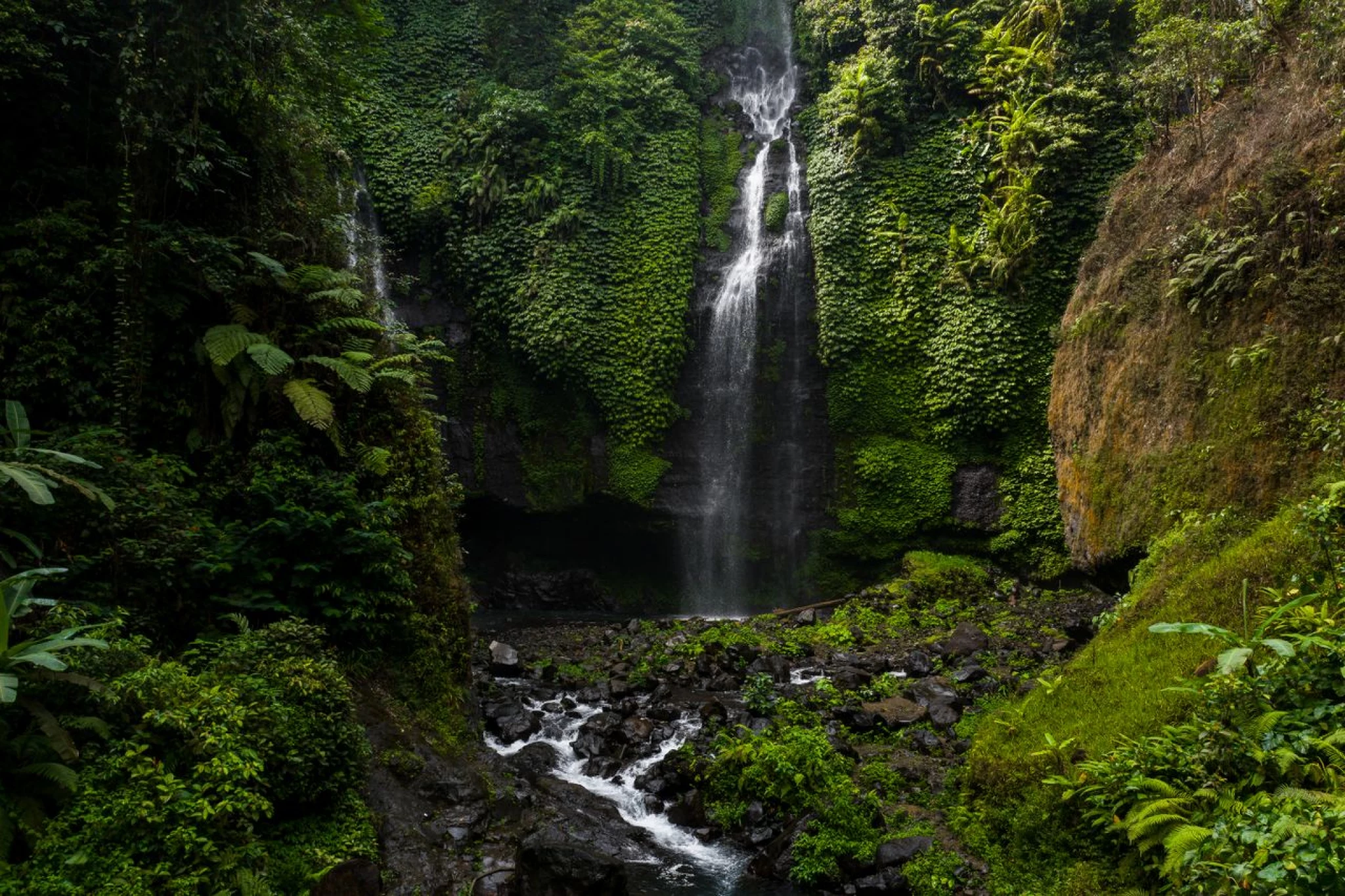
Nungnung is remote, powerful, and far from any tour bus route. A long staircase descends through dense jungle before the waterfall appears suddenly with a heavy spray that soaks you from meters away. Swimming is possible but challenging when the flow is strong. This one rewards travelers willing to earn it, and the Tabanan highland area around it is gaining quiet attention for its cooler climate and slower pace.
Munduk Waterfall
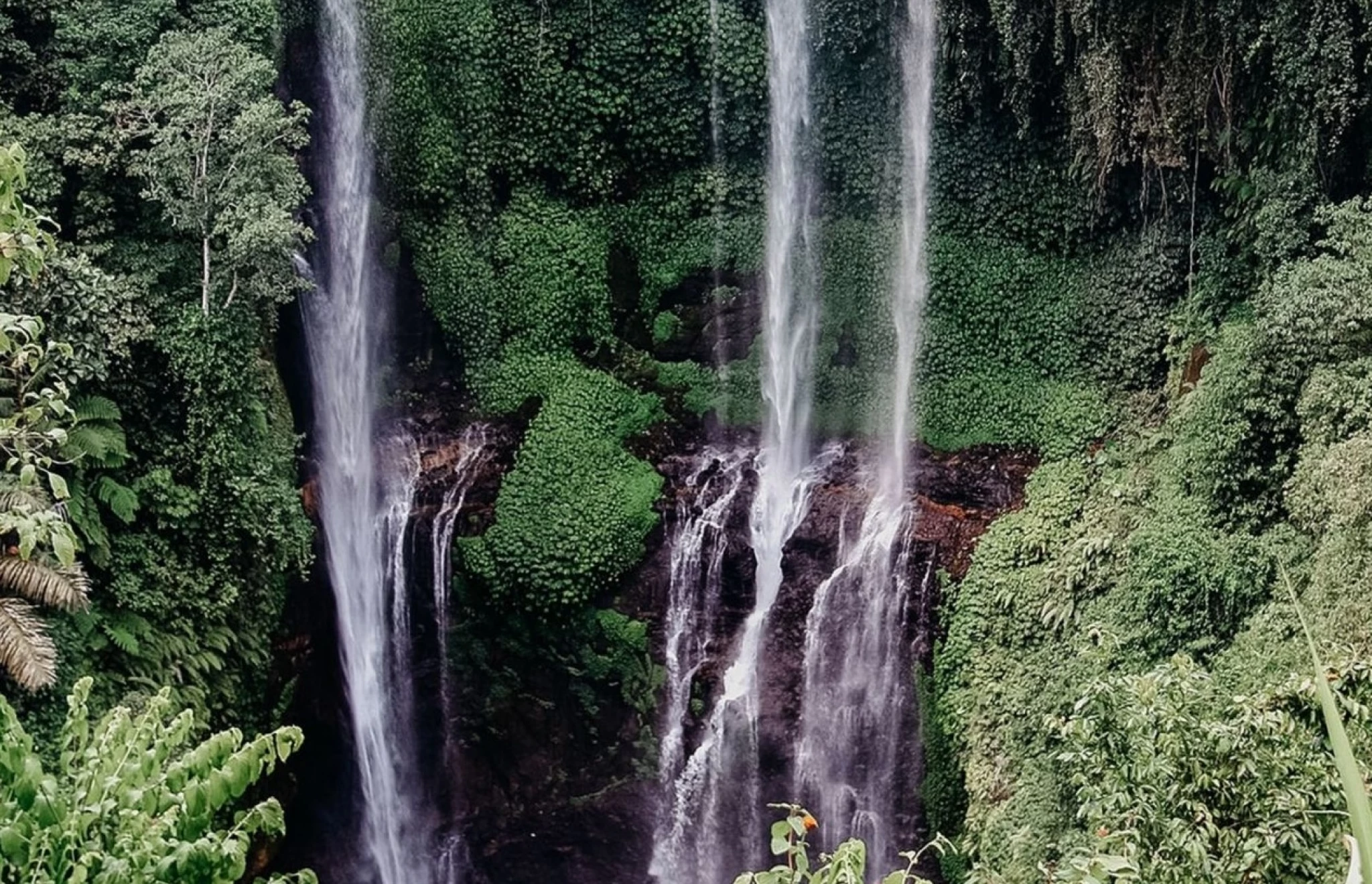
The Munduk area in north-central Bali has three waterfalls on a single jungle trek through clove and coffee plantations. Munduk Waterfall itself drops about 25 meters into a swimmable pool. Melanting nearby is wider and more powerful. The full trek takes two to three hours, making it ideal for people who want a walk, not just a photo stop.
Leke Leke Waterfall
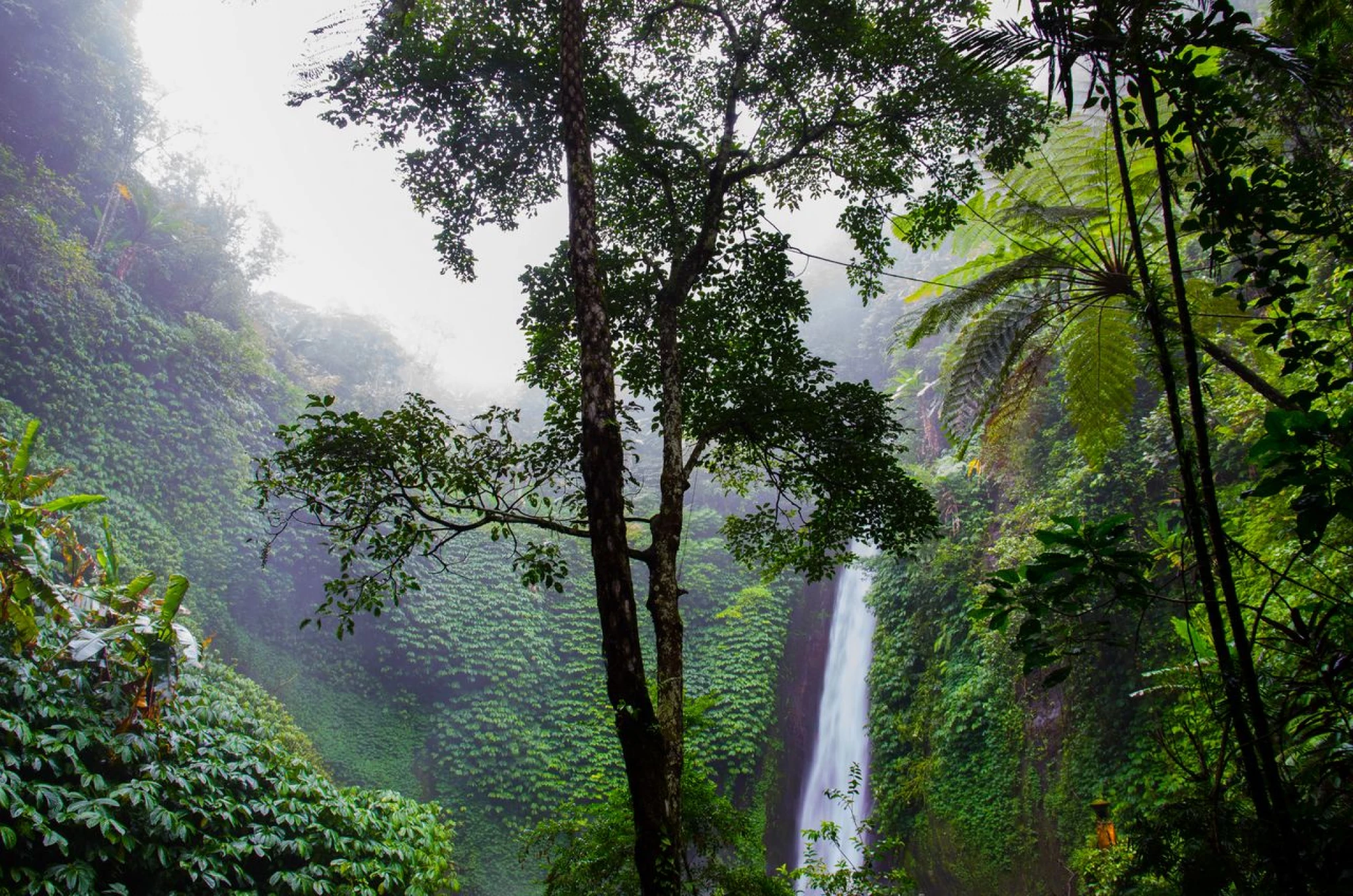
Leke Leke is one of the quietest falls on this list. A jungle path leads to a narrow, tall cascade surrounded by dense tropical canopy. Visitor numbers stay low, and on a weekday morning you may have the place entirely to yourself. It is tucked in the Tabanan regency and pairs well with a Nungnung or Munduk visit in the same day.
Can You Swim at Bali's Waterfalls
Not all of them. Banyumala, Tibumana, and Tegenungan have the best swimming pools with calm, accessible water. Kanto Lampo is shallow enough to sit in rather than swim. Sekumpul and Nungnung have powerful spray that makes swimming difficult when the flow is high. Tukad Cepung is ankle deep at best, strictly a viewing spot. Aling Aling's main fall is sacred and off limits, but the smaller falls below are open for jumping and sliding. Always check conditions on the day, since water volume changes with recent rainfall.
The Best Time to Visit and What to Bring
The dry season from May through September gives you the best combination of clear trails, good light, and steady water flow. Wet season from November through March increases volume dramatically but makes some trails slippery. Mornings before 10 am are consistently the smartest window for both light and crowds.
Bring sturdy sandals or water shoes, not flip flops. A swimsuit underneath your clothes, a quick dry towel, insect repellent, and a waterproof phone pouch will cover most situations. Hiring a driver for the day makes a real difference in the north, where roads are winding and poorly signed.
When the Waterfalls Make You Want to Stay Longer
There is a pattern among visitors who spend a day or two chasing waterfalls in Bali's highlands. The air is cooler, the roads are quieter, and the villages feel unhurried in a way the south does not. Many start asking about longer stays before they finish the trip. The areas around Ubud and Canggu remain popular bases for people splitting time between coast and interior.
Practical Tips That Will Save You Time and Money
Entry fees range from 10,000 to 50,000 IDR per waterfall, less than a dollar to three dollars. Most ticket booths accept cash only. Plan for two to three waterfalls per day maximum since the drives add up. Skip unofficial guides who approach in parking lots and pay only at official ticket booths. Leave valuables in the car and bring only what you need for the water.
Bali's waterfalls reward early risers and patient travelers willing to trade a beach day for something quieter and greener. If the highlands leave you thinking about what it would be like to wake up to that kind of air every morning, start looking at what is available through Kibarer Property.
Frequently Asked Questions
What is the most beautiful waterfall in Bali?
Sekumpul is consistently considered the most impressive for its scale and jungle setting. For photography, Tukad Cepung's light beams are hard to beat.
How many waterfalls can you visit in one day?
Two to three is realistic if they are in the same region. Trying to fit more means rushing and spending too much time in the car.
Are Bali waterfalls safe for children?
Banyumala, Tibumana, and Tegenungan suit older children who can handle stairs and shallow swimming. Sekumpul and Nungnung trails are too steep for young kids.
Is buying property near Bali's highlands a good investment?
Demand for villas in the Ubud and Tabanan corridors has grown steadily as more visitors seek longer stays away from the busy southern coast.