Bali is often introduced through images of sunset beach clubs, stylish cafés, scenic clifftop lounges, and the energy of destinations such as Canggu, Seminyak, and Uluwatu. For many visitors, these vibrant lifestyle hubs shape their first impression of the island — dynamic, social, and constantly evolving. Yet beyond the modern tourism landscape lies another side of Bali, one built on centuries of tradition, community values, and cultural continuity.
In this guide, you will discover why exploring places like Trunyan Village offers a different perspective of Bali, how its cultural heritage continues to influence daily life today, and why understanding these deeper roots matters for anyone considering a long-term lifestyle, relocation journey, or property investment on the island.
For people looking to spend more time in Bali — whether as property buyers, investors, expatriates, or future residents — understanding the island often means looking beyond its most visible attractions. Bali's appeal is not shaped only by its beaches or hospitality industry. It has also been built over generations through communities, traditions, and values that continue to influence how people live today.
One place that offers a meaningful glimpse into this side of Bali is Trunyan Village.
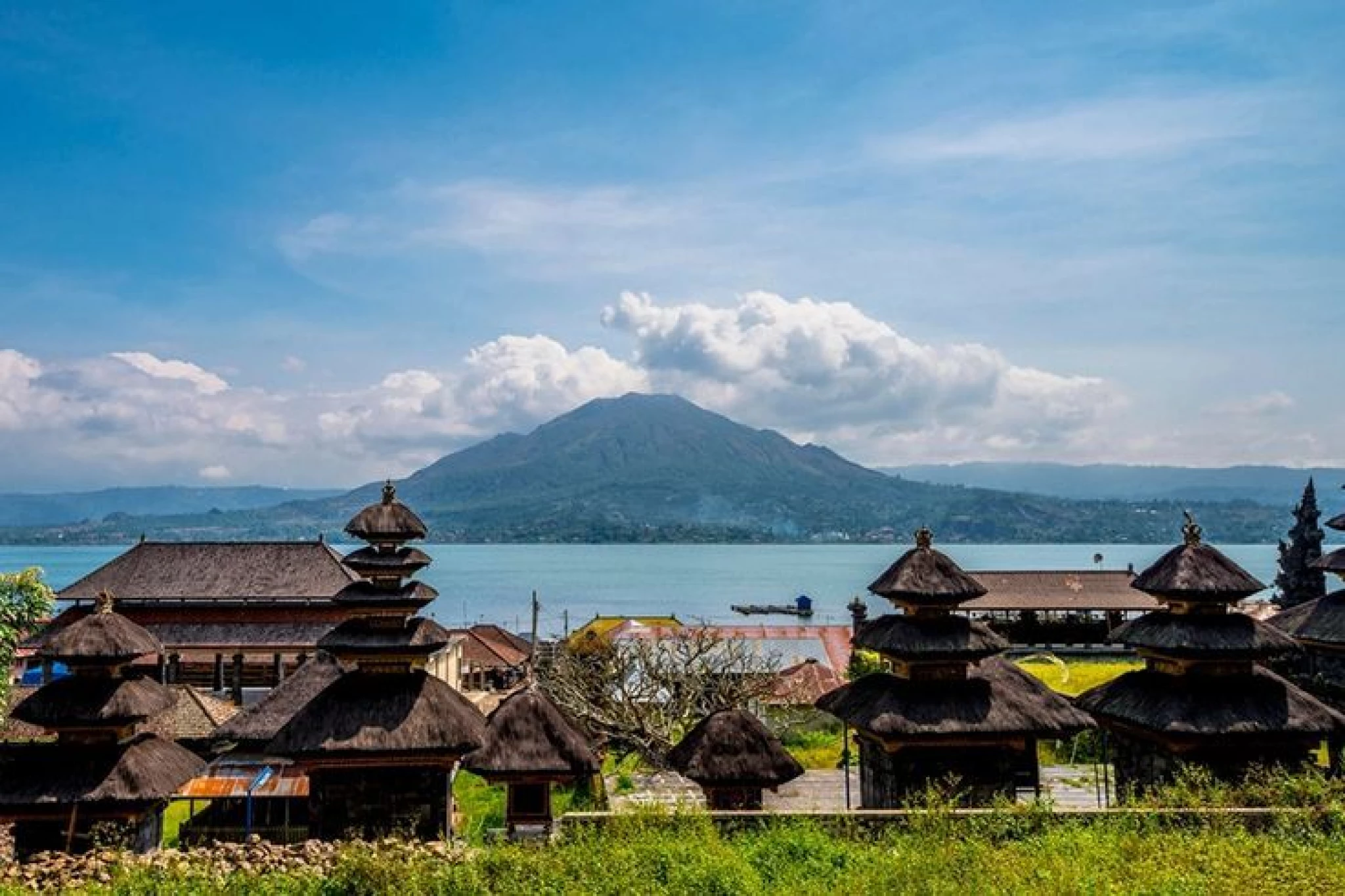
Introducing Trunyan Village: A Different Side of Bali
Located on the eastern side of Lake Batur within the highlands of Kintamani, Trunyan Village sits inside a volcanic caldera landscape shaped thousands of years ago. Unlike Bali's southern coastal regions, this area offers cooler temperatures, mountain views, and a quieter atmosphere surrounded by natural scenery.
The journey itself already feels different from Bali's busy tourism centers. Roads gradually rise through the highlands, revealing changing landscapes and a slower pace of life. The environment becomes greener, the air cooler, and the surroundings noticeably calmer.
For many visitors, experiencing Kintamani becomes a reminder that Bali is not defined by beaches alone. The island contains diverse landscapes — from coastlines and rice terraces to volcanic mountains and lakes — each contributing to a unique lifestyle environment.
For people considering long-term living in Bali, these environmental differences can also shape how they experience daily life.
The Historical and Cultural Background of Trunyan
Trunyan is widely recognized as one of Bali's oldest traditional communities and belongs to the Bali Aga culture, often referred to as the island's original Balinese communities.
The Bali Aga are generally believed to have settled in Bali long before later cultural influences transformed many parts of the island. While different regions of Bali gradually evolved over time, communities such as Trunyan maintained many of their original traditions and social structures.
What makes Trunyan particularly interesting is that its heritage has not remained frozen in history.
Instead, many customs continue to exist as active parts of community life.
Traditional ceremonies, local responsibilities, and village customs still play an important role in everyday activities, reflecting values that have been preserved across generations.
The name "Trunyan" itself is often connected to Taru Menyan, meaning "fragrant tree," which has become an important part of local identity and historical stories surrounding the village.
More importantly, Trunyan demonstrates how culture in Bali often exists as a living system rather than a historical display.
Traditions That Make Trunyan Unique
Every village in Bali has its own traditions, ceremonies, and community structures. Trunyan is no exception.
The village reflects a strong connection between people, nature, and spiritual values — principles that continue to shape many aspects of Balinese life today.
Visitors often notice several defining characteristics of Trunyan:
Strong preservation of local customs
Traditional community structures passed down through generations
A close relationship with the natural environment
Cultural practices that remain part of everyday life
A slower rhythm centered around community values
What makes these traditions meaningful is that they continue naturally within the community itself rather than existing simply as attractions for visitors.
This creates a very different experience from destinations designed primarily around tourism.
Places like Trunyan offer an opportunity to observe how cultural identity continues to shape daily life in Bali.
Understanding Bali Beyond Tourism Trends
Many people initially fall in love with Bali because of its modern lifestyle appeal. Beach clubs, cafés, wellness spaces, luxury villas, and international communities all contribute to the island's popularity.
However, people who decide to stay longer often begin discovering another side of Bali.
Over time, many residents start paying closer attention to factors such as:
This shift in perspective often becomes part of the long-term Bali experience.
Understanding places like Trunyan helps reveal that Bali is not only a destination built around tourism experiences. It is also a place where local communities continue to influence the island's identity.
For future residents and investors, this understanding can become increasingly valuable.
Bali's character has long been shaped by a balance between development and cultural preservation, creating an environment that many people appreciate beyond holidays and short visits.
What This Means for Long-Term Living and Property Perspectives
People who relocate to Bali often describe an evolution in what they value over time.
Initially, priorities may revolve around convenience, nightlife, or being close to popular areas.
Later, other factors often become more important:
Better quality of life
Cooler environments and diverse landscapes
Stronger community connections
Sustainable surroundings
More meaningful daily experiences
This is partly why areas beyond traditional tourism hubs continue gaining attention.
Places such as Kintamani and other highland regions are increasingly attracting people interested in wellness lifestyles, quieter surroundings, and stronger connections to nature.
Even for those who may never live near Trunyan itself, understanding communities like this helps create a broader picture of Bali and the values that shape life across the island.
Because living in Bali often becomes about more than simply choosing a location.
It also becomes about understanding the environment and culture surrounding it.
Conclusion
Bali continues to evolve, with new lifestyle destinations, developments, and experiences emerging every year. Yet beneath this modern growth, the island's strongest foundation remains its cultural heritage and communities.
Trunyan Village serves as a reminder that Bali is not defined only by beach clubs or trending destinations. It is also shaped by places where traditions continue across generations, where landscapes influence everyday life, and where cultural values remain closely connected to local communities.
For anyone considering a future in Bali — whether through investment, relocation, or long-term living — understanding these deeper layers can provide a richer perspective of the island itself.
At Kibarer Property, we believe that finding the right place in Bali is not only about choosing a property. It is also about understanding the lifestyle, environment, and communities that make each part of the island unique. Exploring Bali beyond the familiar often creates a deeper connection with the island and the opportunities it offers.