Bali is often defined by its iconic hotspots—Canggu, Seminyak, and Uluwatu—but as we move through 2026, the island’s true growth is happening where the crowds aren't. Beyond the neon lights of the south lies a quieter, more authentic side of the island that is currently redefining the Balinese experience.
In this guide, you will discover Bali’s most significant "hidden gems," ranging from the misty highlands of Munduk to the rising coastal star of Amed. You will understand why these locations are shifting from "secret spots" to strategic hubs for both travelers and property investors. For Kibarer Property’s audience, this is more than just a travel list; it is a real-time market analysis of where Bali is evolving next, backed by the latest 2026 infrastructure and tourism data.
Why Hidden Gems Matter in Today’s Bali
The Bali of 2026 is at a crossroads. While the Canggu-Seminyak corridor faces "peak saturation" with land prices stabilizing at record highs, a new generation of travelers and investors is looking toward the horizon. The shift is driven by a desire for:
Privacy and Low-Density Tourism: As the south becomes more urbanized, "slow travel" has become the ultimate luxury.
Infrastructure Catalysts: Major projects like the North Bali International Airport (NBIA) and the Gilimanuk-Mengwi Toll Road are finally bridging the gap between the south and the rest of the island.
Untapped Real Estate Potential: Emerging markets offer lower entry costs with higher projected capital appreciation as accessibility improves.
1. Sidemen — The New Ubud Before the Boom
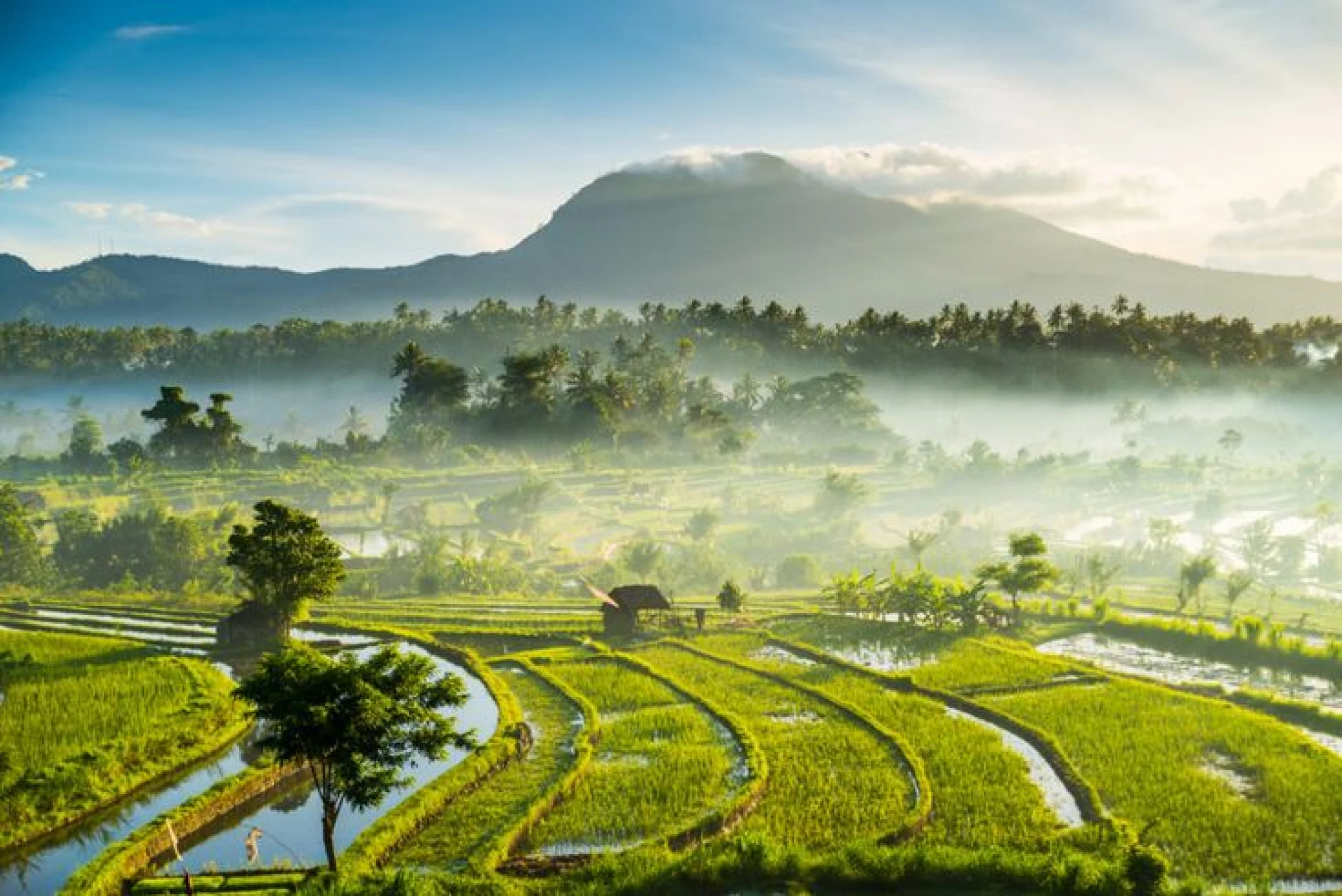
Located in the Karangasem Regency of East Bali, Sidemen is often described as "Ubud thirty years ago." It is a valley defined by emerald rice terraces and the constant, looming presence of Mount Agung.
While Ubud has become a bustling urban center, Sidemen remains a sanctuary of traditional Balinese life. In 2026, it has become the primary destination for:
Investment Insight:
Sidemen is seeing a surge in demand for "Wellness Estates." With the market shifting toward managed resort communities, investors are finding that high-end, eco-conscious villas here command impressive daily rates from guests seeking total seclusion.
2. Munduk — The Highland Frontier
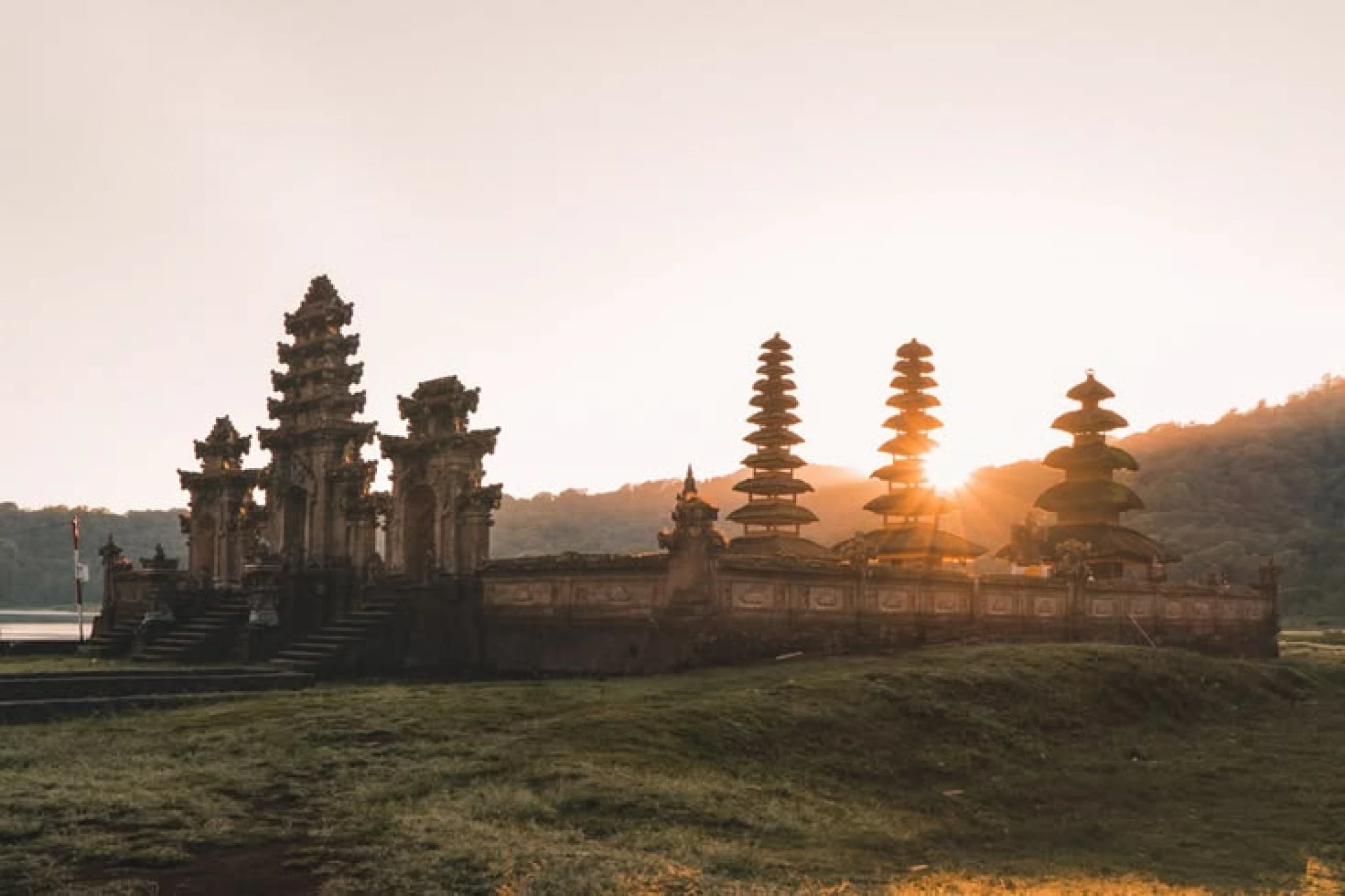
In the cool, misty mountains of North Bali, Munduk offers a stark contrast to the tropical heat of the coast. Known for its "Golden Three" waterfalls and vast coffee and clove plantations, it is the heart of Bali’s burgeoning eco-tourism sector.
What Makes Munduk Special in 2026:
Climate Resilience: The cooler temperatures (averaging 20°C–25°C) make it a popular "second home" destination for expats escaping the coastal humidity.
The "North Bali Airport" Effect: With the Buleleng airport project now fully underway, Munduk is perfectly positioned as the first major mountain stop for travelers arriving from the north.
Investment Insight:
Munduk is currently a "land banking" goldmine. As travel times from the south decrease due to infrastructure upgrades, land values in Buleleng are projected to see 10–15% annual appreciation over the next five years.
3. Amed — Sustainable Coastal Living
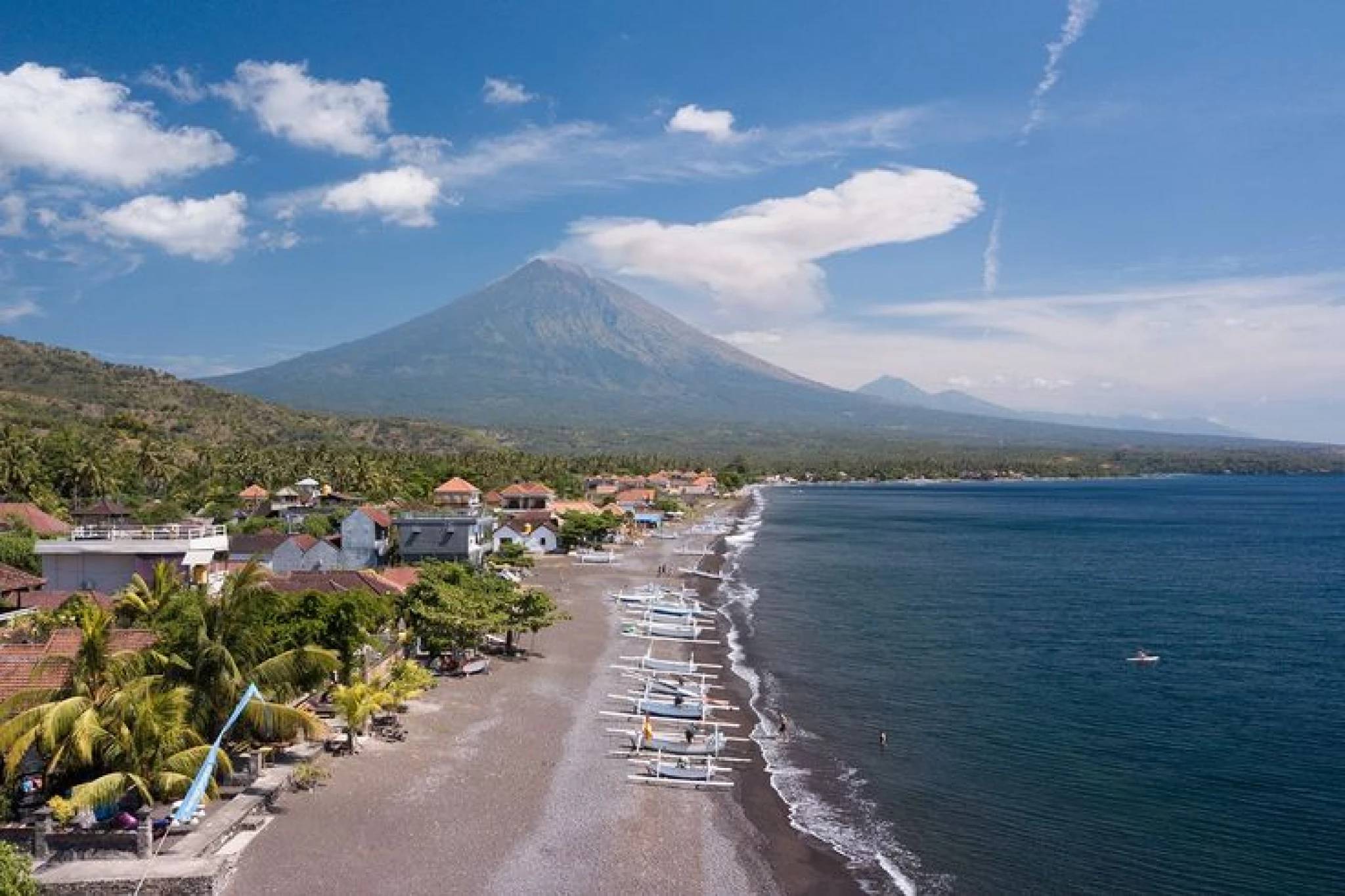
Amed, stretching along the eastern coastline, has transitioned from a sleepy fishing village into a sophisticated coastal lifestyle destination. It is world-renowned for its black sand beaches and the USAT Liberty shipwreck dive site nearby.
2026 Trends in Amed:
Digital Nomad Migration: Unlike the frantic energy of the south, Amed offers a high-speed internet infrastructure paired with a significantly lower cost of living and zero traffic.
Sustainable Tourism: The community remains locally driven, focusing on reef conservation and small-scale boutique hospitality.
Investment Insight:
Amed is a top performer for long-stay rental yields. With fewer "generic villas" and a high demand from the diving and freediving community, occupancy rates for well-managed coastal properties remain remarkably stable year-round.
4. Nyang Nyang Beach — The Last Secluded Shore
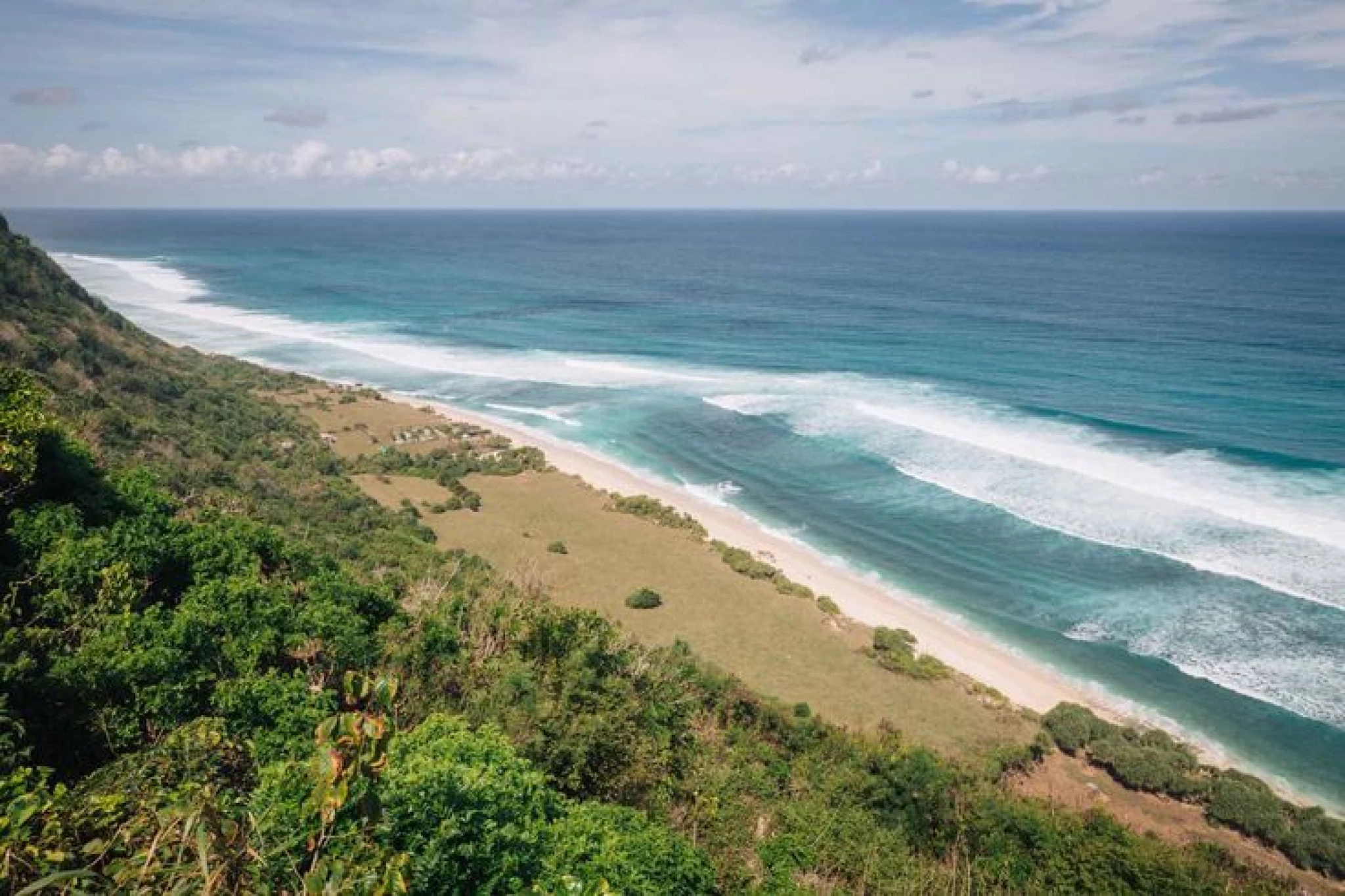
Located near Uluwatu, Nyang Nyang was once a secret accessible only by a grueling 500-step trek. While the Bukit Peninsula has seen massive development, Nyang Nyang remains one of the last stretches of white sand that isn't dominated by massive beach clubs.
What You Will Find:
Investment Insight:
As South Bali becomes saturated, "scarcity" is the biggest driver of value. Properties in the Pecatu/Nyang Nyang area are increasingly desirable for ultra-luxury "clifftop" developments where the view alone justifies a premium price point.
5. Taman Beji Griya — The Rise of Spiritual Tourism
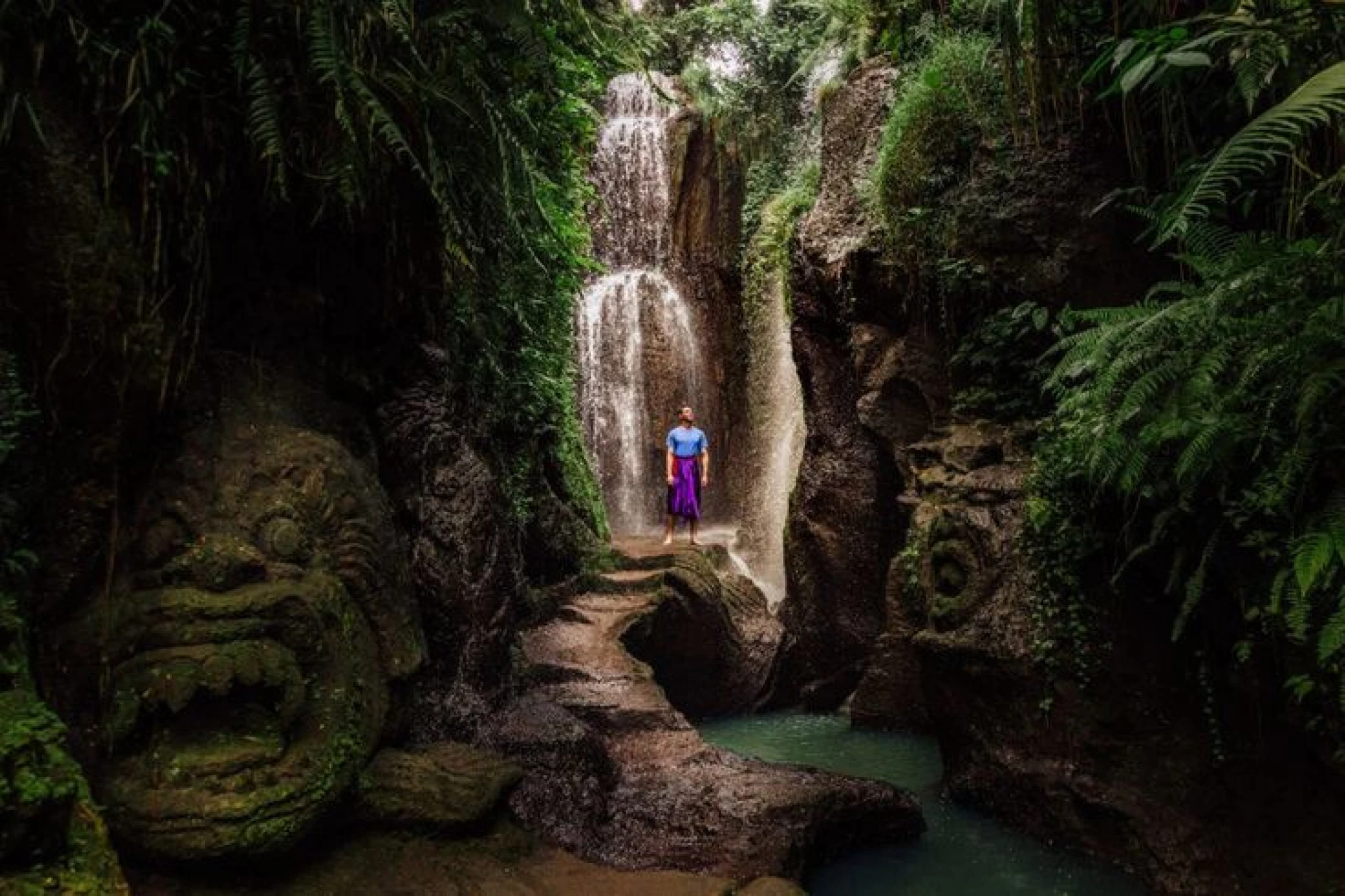
Near the Abiansemal area (just outside Ubud), Taman Beji Griya has become a focal point for the Melukat (spiritual purification) ritual. This reflects a deeper trend in 2026: travelers aren't just looking for sights; they are looking for transformations.
Authentic Rituals: Unlike the crowded Tirta Empul, Taman Beji Griya offers a more intimate, canyon-enclosed experience.
Shift in Demand: Data shows that 67% of travelers to Indonesia now prioritize "Sustainable and Cultural" experiences over traditional sightseeing.
Investment Insight:
Properties located near spiritual or cultural landmarks are seeing a "Cultural Premium." Investors are increasingly developing "Retreat Centers" in these zones, focusing on yoga, meditation, and Balinese healing practices.
The Bigger Picture: Bali’s Redistributed Landscape
The rise of these hidden gems is not a temporary trend; it is a structural redistribution of tourism. The Indonesian government’s commitment of over $95 million (IDR 1.5 trillion) to infrastructure in 2026 is specifically designed to move the "center of gravity" away from the south.
Region | Primary Driver | Investment Strategy |
North (Munduk/Lovina) | New International Airport | Long-term Land Banking / Eco-Resorts |
East (Sidemen/Amed) | Authentic Culture & Diving | Boutique Villas / Wellness Retreats |
West (Tabanan/Seseh) | New Toll Road | "Quiet Luxury" Residential Projects |
Conclusion
Bali’s hidden gems represent the "Next Frontier." While the iconic hotspots remain reliable for immediate rental yields, these quieter destinations offer the highest potential for long-term capital growth and a more sustainable way of living on the island.
For buyers and investors, the window for "early entry" in these areas is still open—but as infrastructure nears completion, that window is closing fast. The question is no longer if these areas will become the new standard for Bali luxury, but rather how soon you can secure your place within them.
Discover Bali’s Next Investment Hotspots
At Kibarer Property, we specialize in identifying high-potential locations before they reach peak mainstream demand. Whether you are looking for a peaceful bamboo villa in Sidemen, a high-yield diving lodge in Amed, or a strategic land plot in the North, our expert team is here to guide your investment.